(416) 748-3535
8 Signs You May Need In-Home Therapy for Daily Activities

Daily activities such as getting dressed, preparing meals, walking around the house, climbing stairs, and maintaining personal hygiene are important parts of everyday life. However, injuries, age-related changes, mobility limitations, surgery recovery, or certain health conditions can make these tasks more difficult. When everyday movements become challenging, professional physiotherapy support at home may help individuals work towards improved mobility, strength, balance, and confidence.
For residents of Etobicoke, accessing care at home can be a practical option when travelling to a clinic is difficult or when physical challenges affect daily routines. In-Home Therapy allows physiotherapy services to take place in a familiar environment, where a therapist can assess movement and identify difficulties associated with everyday activities.
Pal Physio & Rehab supports individuals who want to work on their physical abilities while remaining in their own homes. Recognizing the signs that someone may benefit from home-based physiotherapy can help families explore suitable care options and address movement concerns before they create further challenges.
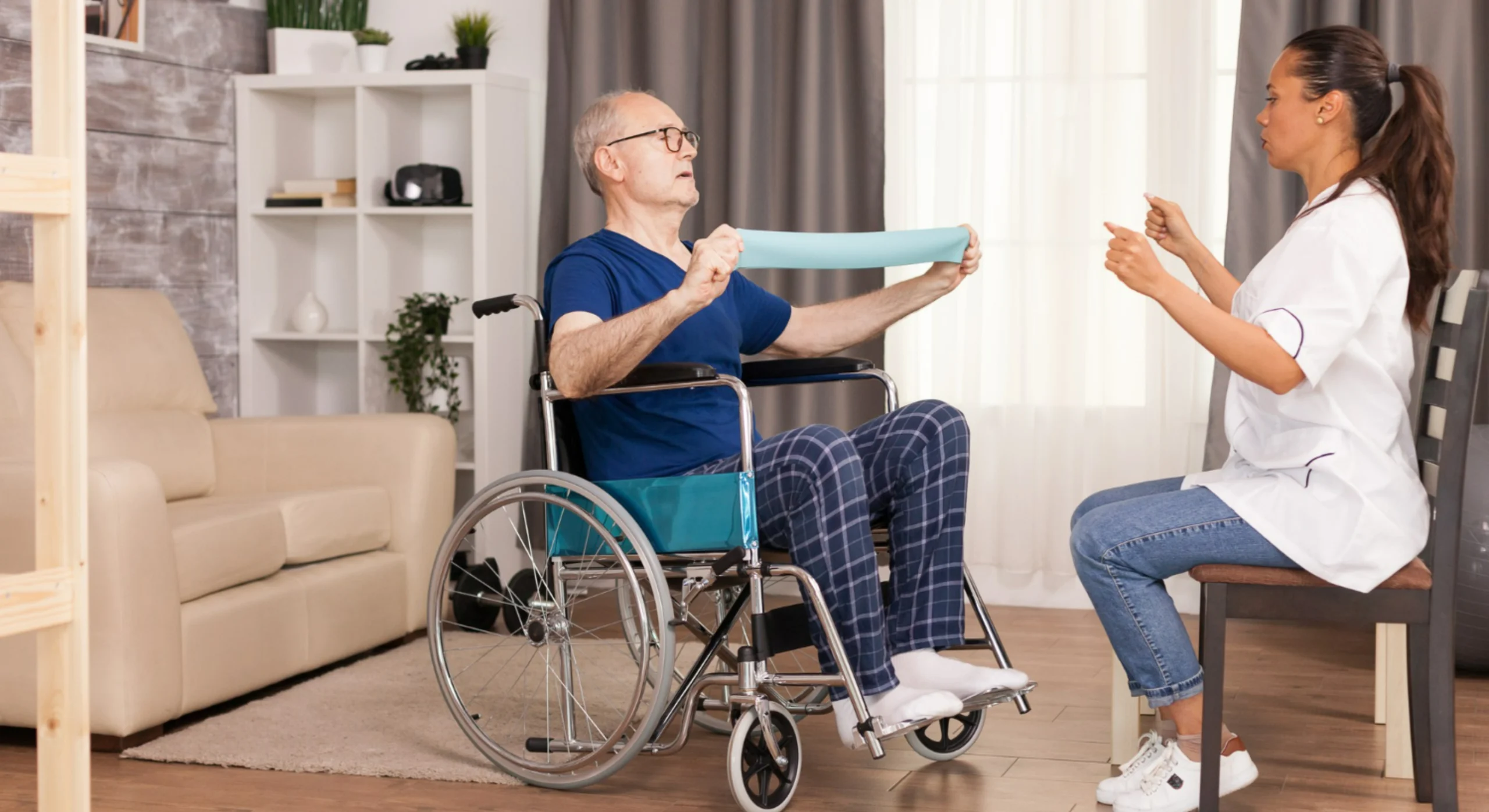
In-Home Therapy involves physiotherapy services provided in a person's home rather than at a traditional clinic. Depending on an individual's condition, needs, and treatment goals, sessions may focus on walking, balance, strength, flexibility, coordination, and the movements required for everyday tasks.
A physiotherapist may assess how a person gets out of bed, stands from a chair, walks between rooms, or manages stairs. These observations can help identify physical limitations and determine which exercises or movement strategies may be appropriate.
Home-based sessions also allow the therapist to consider the person's surroundings, including furniture placement, stairways, bathroom access, and other features that may affect mobility. This approach can help individuals practice relevant movements in the environment where they perform them regularly.
For people living in Etobicoke, this option may be worth considering when travelling to appointments is uncomfortable, difficult, or impractical.
Walking between the bedroom, kitchen, bathroom, and living room may seem simple, but reduced strength, stiffness, balance problems, or limited endurance can make these movements challenging.
You may notice that you need to hold onto furniture, take frequent breaks, walk more slowly, or avoid certain areas of your home. These changes can increase the likelihood of losing balance, particularly when turning, changing direction, or walking on uneven surfaces.
A physiotherapist can assess walking patterns, lower-body strength, and balance. Exercises may focus on improving walking ability, practicing safe turns, and building the physical capacity required to move around the home.
In-Home Therapy may be worth discussing with a physiotherapist if walking difficulties interfere with your daily routine or make you feel uncertain about moving independently.
Standing up from a chair or getting out of bed requires coordination, leg strength, balance, and controlled movement. Following surgery, an injury, or a period of reduced physical activity, these tasks may become increasingly difficult.
Common signs include pushing forcefully against furniture, needing another person to pull you up, rocking repeatedly before standing, or feeling unsteady immediately after getting up.
A physiotherapist can examine the movements involved and recommend exercises based on the person's physical abilities. Sessions may include practicing sit-to-stand movements, strengthening the muscles around the hips and thighs, and improving balance during position changes.
The therapist may also discuss suitable chair heights, bed positioning, and safe movement strategies. These adjustments can help make everyday transfers more manageable while reducing unnecessary strain.
Balance difficulties can affect people of different ages, especially following an injury, surgery, illness, or a period of inactivity. Someone who has experienced a fall may also become hesitant about walking, bathing, or using stairs.
Warning signs include stumbling while turning, feeling unsteady when standing, reaching for nearby objects for support, or avoiding activities because of fear of falling.
A physiotherapist can assess balance, coordination, lower-body strength, and walking ability. Depending on the assessment, exercises may involve controlled weight shifting, supported standing, stepping practice, and other activities suited to the individual's capabilities.
The home environment can also be reviewed for possible hazards, such as loose rugs, cluttered walkways, inadequate lighting, and obstacles near frequently used areas.
People in Etobicoke who notice recurring balance problems should discuss them with a healthcare professional. Sudden balance changes, particularly when accompanied by weakness, facial drooping, difficulty speaking, or severe dizziness, require urgent medical attention.
Stairs can present a challenge for individuals with reduced leg strength, joint stiffness, limited coordination, or balance concerns. These difficulties may affect access to bedrooms, basements, entrances, and other parts of the home.
You might notice that you rely heavily on the railing, place both feet on each step, experience discomfort while climbing, or avoid stairs whenever possible.
A physiotherapist can assess stair-related movements and determine whether strength, balance, flexibility, or movement coordination needs attention. Exercises may include supported step-ups, lower-body strengthening, and practicing appropriate stair techniques when safe.
The therapist can also assess whether the railing, step height, or surrounding layout creates additional difficulties.
If stairs are becoming a barrier to everyday activities, home-based physiotherapy may help you practice relevant movements in the actual setting where they are needed.
Daily self-care involves several physical movements, including bending, reaching, lifting the arms, standing, and maintaining balance. Difficulties with these tasks may develop after surgery, an injury, reduced mobility, or changes in physical strength.
Signs may include struggling to put on socks, finding it difficult to reach overhead, needing support while bathing, or experiencing unsteadiness when stepping into the shower.
A physiotherapist may assess the movement patterns involved and recommend suitable exercises to address identified limitations. Depending on the person's needs, sessions may include shoulder mobility exercises, balance activities, and practicing controlled movements used during dressing.
A therapist may also suggest discussing bathroom safety equipment, grab bars, shower chairs, or other assistive devices with the appropriate healthcare professional.
Because bathrooms often contain slippery surfaces and limited space, individuals who feel unsafe during bathing should seek assistance rather than attempting challenging movements alone.
Household activities often require a combination of standing tolerance, reaching, bending, carrying, and coordinated movement. Preparing food, washing dishes, making a bed, or putting groceries away can become difficult when these abilities are limited.
You may find yourself sitting down frequently, avoiding tasks that involve lifting, or feeling unsteady while reaching for objects stored in cupboards.
A physiotherapist can assess the physical demands of these activities and recommend exercises that address relevant limitations. Sessions may include practicing reaching movements, improving standing tolerance, and developing strategies for moving safely around the kitchen.
The therapist may also discuss practical changes, such as storing frequently used items at waist height, keeping walkways clear, and taking planned rest breaks.
For individuals in Etobicoke who want to continue participating in household routines, In-Home Therapy can provide an opportunity to work on movements connected directly to these everyday responsibilities.
Recovery following surgery, a fall, a fracture, or another injury may involve temporary or ongoing difficulties with movement. Depending on the procedure or condition, a person may experience weakness, stiffness, reduced endurance, or difficulty returning to familiar activities.
You may notice that walking short distances takes more effort, getting dressed requires additional time, or everyday movements feel less coordinated than before.
A physiotherapist can assess current physical abilities and develop an exercise plan that follows the recommendations and restrictions provided by the treating medical team. Progress may involve practicing transfers, walking, balance activities, and movements required for routine tasks.
It is important to follow any weight-bearing restrictions, surgical precautions, or activity limits provided by your healthcare professionals.
Home-based sessions may be useful when travelling to a clinic is difficult during recovery. The therapist can observe how physical limitations affect movement in the home and adjust exercises according to the person's progress.
Needing occasional assistance is normal during illness, recovery, or periods of reduced mobility. However, a growing need for help with basic activities may indicate that physical limitations deserve further assessment.
For example, someone who previously walked independently may now require support to reach the bathroom, stand from a chair, or move safely around the home. Family members may also notice that routine tasks take longer or that the person avoids activities they once completed regularly.
A physiotherapist can assess strength, balance, walking, and functional movement to identify areas that may benefit from exercise or practical changes.
The aim is to establish realistic goals based on the individual's condition, preferences, and safety requirements. Depending on the assessment, goals might include improving transfer skills, practicing short walks, or developing greater confidence with selected household activities.
In-Home Therapy can also give family members an opportunity to learn safe ways to support movement, provided these methods are appropriate for the person's condition.
Families may consider home-based physiotherapy for several practical reasons. The suitability of this option depends on the person's condition, safety requirements, and treatment goals.
Receiving physiotherapy at home allows individuals to practice movements in an environment they know. Familiar surroundings may make it easier to identify obstacles and discuss everyday challenges.
For individuals with mobility limitations, arranging transportation and getting in and out of a vehicle can be difficult. Home appointments may reduce these demands, depending on the service area and appointment arrangements.
Sessions can focus on movements such as standing from a chair, walking through hallways, reaching for household items, and managing stairs when appropriate. This helps connect exercise activities with practical daily goals.
A physiotherapist can observe potential mobility barriers, including narrow walkways, difficult stairways, and obstacles near frequently used areas. Recommendations may help families identify changes that support safer movement.
With the person's permission, family members or caregivers may observe sessions and learn how to support appropriate exercises or everyday movements. The therapist can explain safe assistance methods and clarify when professional help is required.
Home visits can reduce the need to organize travel around appointments. Depending on availability, this may make it easier for individuals and caregivers to coordinate physiotherapy with household responsibilities.
Each person has different physical abilities and household routines. A physiotherapist can assess the individual's needs and establish practical goals related to mobility, transfers, balance, and participation in everyday activities.
Choosing a physiotherapy service begins with identifying the activities that have become difficult and discussing them with a qualified professional.
Pal Physio & Rehab is a business to contact when exploring physiotherapy options for people who need support with daily movement. When asking about home visits in Etobicoke, explain the person's current mobility, any recent surgery or injury, and the activities that present the greatest difficulty.
During an assessment, a physiotherapist may review walking ability, balance, strength, flexibility, and functional movements. The findings can help establish suitable goals and determine which exercises or strategies may be appropriate.
The plan may change as physical abilities develop or as the person's needs change. Progress depends on several factors, including the underlying condition, consistency with the agreed exercise program, and any medical restrictions.
Before arranging an appointment, confirm whether home visits are available in your area, which services are provided, and whether the physiotherapist can address the person's specific requirements.
People experiencing difficulty with walking, balance, transfers, stairs, or daily household activities may benefit from an assessment. It may also be considered that following surgery or an injury when travelling to a clinic is challenging. A physiotherapist can determine whether home-based care is suitable.
Depending on the assessment, sessions may address walking, standing, sitting, balance, stair use, reaching, and other functional movements. The program should reflect the person's physical abilities, medical status, and everyday goals.
It may be suitable for older adults who experience mobility limitations, reduced strength, balance difficulties, or challenges with everyday tasks. Age alone does not determine suitability; a physiotherapist should assess the person's condition, safety, and needs.
The frequency depends on the person's condition, goals, tolerance for exercise, and the physiotherapist's assessment. Some individuals may require more frequent sessions initially, while others may follow a less frequent schedule with exercises between appointments.
Contact Pal Physio & Rehab directly to confirm current home-visit availability in Etobicoke, the services provided, appointment options, and any associated fees. The team can explain the next steps for arranging an assessment.
Difficulty with walking, balance, stairs, personal care, or household activities can affect daily routines and place additional demands on family caregivers. Recognizing these changes can help individuals explore suitable physiotherapy options and discuss their needs with a qualified professional.
Pal Physio & Rehab is a point of contact for Etobicoke residents who want to enquire about physiotherapy support for everyday movement. Ask about home-visit availability, assessment arrangements, and the types of activities that can be addressed during sessions.
Contact Pal Physio & Rehab to discuss your mobility concerns or those of a family member and find out whether home-based physiotherapy may be an appropriate option.
Phone: +1 416-748-3535
Address: 6100 Finch Ave W Unit E-103, Etobicoke, ON M9V 0A1, Canada