(416) 748-3535
3 Benefits of In-Home Physiotherapy In Etobicoke for Everyday Mobility and Recovery
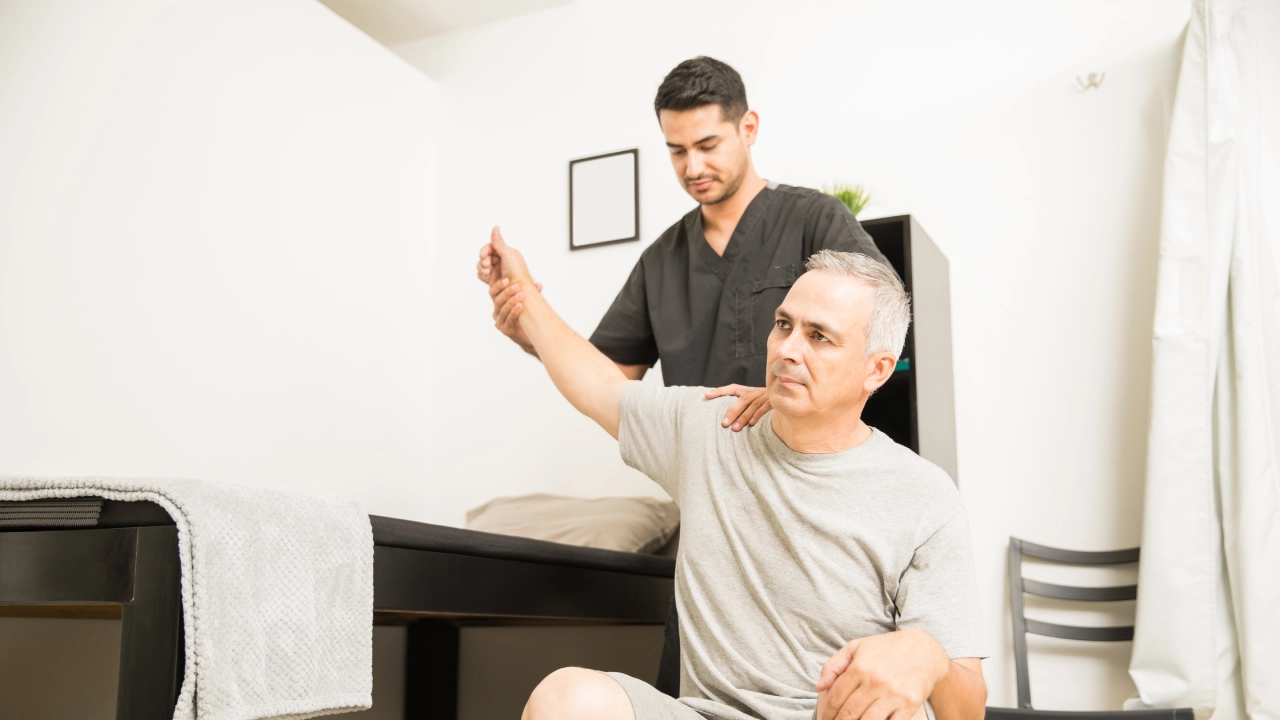
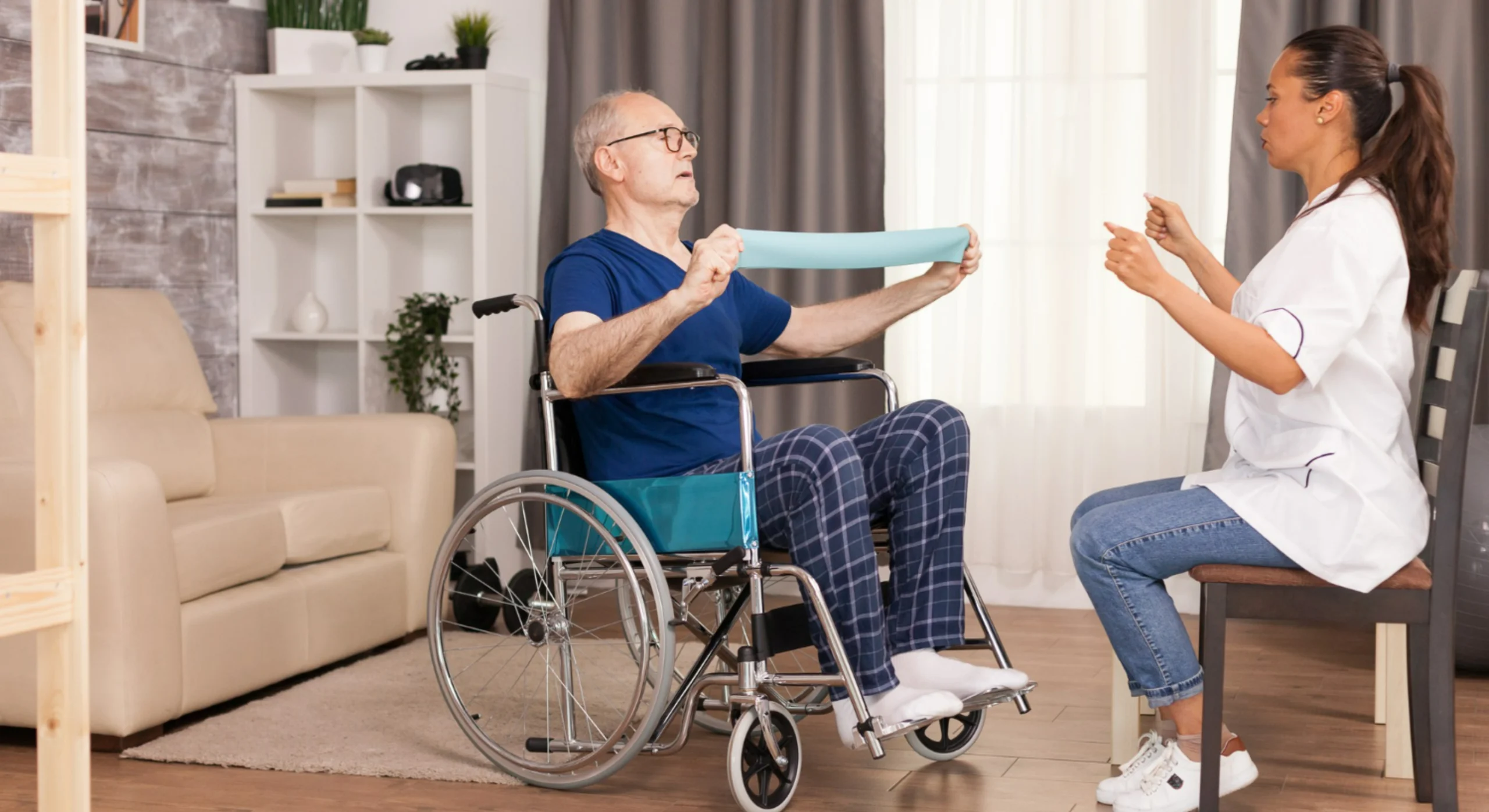
An injury or ongoing discomfort can make daily tasks difficult. Travelling to appointments may add strain when walking, climbing stairs, or sitting is uncomfortable. Home-based physiotherapy brings assessment, guided movement, and rehabilitation into familiar surroundings. Sessions can focus on dressing, meal preparation, sport, and moving around the home.
In-home physiotherapy in Etobicoke can suit people who find clinic travel difficult, have busy schedules, or want exercises linked to their daily routines. PAL Physio & Rehab serves the Etobicoke community from its clinic at Unit E-103, 6100, Finch Avenue W, Etobicoke, ON, Canada. Call (416) 748-3535 to ask about services, availability, and whether home visits are suitable.
Home-based physiotherapy is a form of rehabilitation delivered in a person's residence. A registered physiotherapist reviews movement, strength, balance, flexibility, pain patterns, and relevant health history. They may assess how a person stands from a chair, walks along a hallway, uses stairs, reaches overhead, or completes other daily activities.
In-home physiotherapy in Etobicoke starts with a shared plan. Sessions may include movement practice, strengthening, mobility exercises, balance activities, education, and manual therapy when appropriate. In-home physiotherapy in Etobicoke can adapt as daily goals shift. The aim is to build safe, useful movement that supports daily life.
In-home physiotherapy in Etobicoke can connect rehabilitation with the tasks that matter most to each person. For example, a therapist may practise getting in and out of a favourite chair, walking to the front door, or reaching for kitchen shelves. The home setting can make these tasks easier to assess and practice. In-home physiotherapy in Etobicoke can make daily movement the focus.
Home visits may help adults recovering after surgery, people managing joint or muscle problems, older adults working on balance, and active people dealing with sports injuries. They may also suit people with limited transport, demanding work hours, or temporary movement restrictions.
A familiar room can make movement practice feel more relevant. The therapist can see the furniture, stairs, floor surfaces, and usual routes that shape daily movement. Together, the client and therapist can identify practical changes, such as moving a loose rug or adjusting the height of a chair, when these changes may help reduce risk.
Travelling while injured can be tiring or uncomfortable. Home appointments remove the need to drive, arrange a ride, or manage public transit for that session. This arrangement can be useful after surgery or during periods when walking and sitting are difficult. Families and caregivers may also find it easier to take part in a discussion at home.
A program can use safe household movements and available space. A therapist might practice step-ups on an appropriate step, sit-to-stand movements from a stable chair, or balance tasks near secure support. The therapist checks the technique and adjusts the activity to match the current ability. In-home physiotherapy in Etobicoke can include this practical movement work.
Running, cycling, gym training, and team sports can lead to muscle strains, ligament injuries, tendon irritation, or joint pain. Rehabilitation often begins with an assessment of the injury, current movement, strength, and activity demands. The physiotherapist may then introduce suitable mobility work, progressive strengthening, balance drills, and sport-related movement practice.
In-home physiotherapy in Etobicoke may help an athlete practice parts of a return-to-activity plan in a familiar space. The program should follow the injury assessment and progress at a pace that respects symptoms and tissue recovery. Return to sport should depend on function and clinical advice, not simply on the number of days since injury. In-home physiotherapy in Etobicoke can support staged practice.
Hip and knee problems can affect walking, stairs, standing, and getting into or out of a car. A physiotherapist may assess joint movement, leg strength, balance, walking pattern, and how symptoms change during activity. Exercises may include supported squats, leg raises, bridges, step practice, and walking drills, depending on the person's ability.
Shoulder discomfort may arise from a strain, tendon problem, joint stiffness, repetitive work, or changes in posture and activity.
After an operation, a physiotherapy plan should follow the surgeon's instructions and any movement or weight-bearing limits. The therapist can review safe transfers, walking, joint movement, strength, and the exercises approved for that stage of recovery. The program may change as recovery progresses and the surgical team updates restrictions.
In-home physiotherapy in Etobicoke may reduce travel during the early stages after an operation, when getting in and out of a vehicle can be challenging. The therapist can also check how the person moves between the bed, bathroom, and main living area. Contact the surgical team about wound concerns, fever, unusual discharge, or symptoms that worsen unexpectedly. In-home physiotherapy in Etobicoke should follow the surgeon's instructions.
Physiotherapy draws on clinical research about movement, exercise, function, and recovery. Evidence supports exercise-based rehabilitation for many musculoskeletal conditions, although the right program varies by diagnosis and individual circumstances. Clinical guidelines commonly recommend education and progressive activity as part of care for several joint and muscle conditions.
Research on rehabilitation after joint replacement also supports structured exercise and functional training, with the program shaped by surgical instructions and progress. For shoulder conditions, exercise and advice are often included in non-surgical management. Sports injury rehabilitation commonly uses gradual loading, strength work, balance, and activity-specific drills.
Home-based rehabilitation has been studied in several settings, including after surgery and for people who face barriers to clinic attendance. Results depend on the condition, program, supervision, and the person's circumstances. A home setting does not replace medical assessment when warning signs appear, nor does it mean every treatment can be delivered safely in every residence.
Nrupal Shah has worked as a physiotherapist for 17 years in Canada and India. She graduated from Sardar Patel University in India in 2004 and later ran a physiotherapy and wellness clinic there for nine years. Her work has included people with varied needs and goals.
Nrupal uses a blended approach that may include assessment, patient education, manual therapy, hands-on care, electrotherapeutic treatment, and exercise. She aims to help clients return to activities that matter to them, whether those activities involve work, daily tasks, or sport. She enjoys working with people from different backgrounds.
Outside the clinic, Nrupal enjoys spending time with friends and family, travelling, and cooking. She describes herself as sociable and cheerful and values time with the people close to her.
Before treatment begins, note the activities that are difficult and the symptoms that limit them. A simple record might include walking distance, time spent standing, ease of dressing, stair use, or shoulder reach. The physiotherapist may also use standard measures of movement, strength, balance, or function.
During follow-up visits, compare these measures with the starting point. Progress may show up as smoother movement, improved control, more repetitions, longer walking distance, or greater ability to manage a household task. Photographs are not usually necessary for physiotherapy progress; functional measures and the person's own reports are often more relevant.
Recovery rarely follows the same timetable for everyone. The type and severity of the condition, general health, sleep, activity levels, surgery details, and consistency with the agreed program can all affect progress. Some people notice changes in daily function before strength or endurance returns fully.
Set practical goals with the physiotherapist. These might include walking to the mailbox, climbing a flight of stairs, lifting a light object, or completing a work task with fewer breaks. Review goals regularly and record changes in pain, movement, confidence, and activity tolerance.
No treatment can guarantee a particular result. Progress differs from person to person, and some conditions need input from other health professionals. The physiotherapist should explain likely steps, limits, and signs that call for reassessment.
Coverage for physiotherapy varies by insurer and policy. Some extended health plans reimburse visits with a registered physiotherapist, while others set annual limits, per-visit caps, referral requirements, or rules about home visits. Public programmes and workplace insurance may have separate eligibility criteria.
Before booking, contact your insurer and ask whether home physiotherapy is covered, whether a physician referral is required, what documents they need, and whether they reimburse the full fee or only part of it. Ask the clinic about receipts and payment arrangements. Do not assume that a clinic visit and a home visit have identical coverage.
If treatment relates to a workplace injury or motor vehicle collision, ask the relevant insurer or claims representative about approval steps. Keep copies of referral notes, invoices, and treatment records as required by your plan.
Client feedback can help readers understand how a clinic communicates and supports people during care. One Google reviewer, Martin, says he has attended PAL Physio for many years and describes the staff as knowledgeable, polite, and helpful. He also praises Nrupal Shah's professional manner.
Another reviewer, Mantra Agrawal, describes seeking care for left shoulder and lower back strain associated with working from home and posture. The review mentions an assessment, physiotherapy, massage, desk stretches, and posture advice. The reviewer reports that symptoms became more manageable after several sessions and comments positively on the staff and clinic environment.
Reviews reflect individual opinions and do not predict the outcome for every person. Ask questions about the assessment, plan, visit format, and fees so you can decide whether the service suits your needs.
The first appointment usually begins with a conversation about the main concern, medical history, previous injuries, surgery, current activity, and personal goals. The physiotherapist may ask what makes symptoms worse or easier and what activities the person wants to resume.
A session may combine guided exercises, movement retraining, manual therapy, and education. The therapist may demonstrate each activity, observe the client's technique, and adjust repetitions or resistance. Some people use simple equipment such as resistance bands, light weights, or a stable chair. The therapist will decide what is suitable.
The therapist may provide a short set of exercises to practice between visits. The plan should state how often to do each activity and what signs mean the person should pause or ask for advice. Consistency matters, but exercises should not be forced through sharp or escalating symptoms.
Is home physiotherapy suitable after surgery?
It may be suitable when the surgeon's instructions allow it and the person's needs can be addressed safely at home. The physiotherapist should review restrictions, mobility, and the stage of recovery before starting.
How long does a home appointment take?
Appointment length depends on the assessment and treatment plan. Ask PAL Physio & Rehab about current visit durations, travel arrangements, and fees when you call.
Do I need a doctor's referral?
Referral rules vary by insurer and circumstance. You may be able to contact a physiotherapist directly, but your insurance policy may require a referral for reimbursement. Confirm both points before booking.
What should I prepare before the first visit?
Wear comfortable clothing that allows movement. Keep relevant medical or surgical instructions available, clear a safe area for movement, and prepare a list of medicines and health concerns to discuss with the clinician. Do not stop or change prescribed medication without advice from the prescriber.
Can a family member join the session?
Yes, if the client agrees and their involvement supports communication or practice. A family member may help recall instructions or learn how to support safe daily movement.
How often will I need appointments?
Frequency depends on the condition, goals, progress, and ability to complete exercises between visits. The physiotherapist can discuss a review schedule after the initial assessment.
In-home physiotherapy in Etobicoke can bring movement assessment and rehabilitation practice into the setting where many daily tasks happen. It may suit people managing sports injuries, hip or knee problems, shoulder pain, or recovery after surgery, provided a home visit fits their clinical needs.
Arrange a Home Physiotherapy Consultation Today!
Contact PAL Physio & Rehab to discuss your concerns and arrange an appointment.
Business: PAL Physio & Rehab
Address: Unit E-103, 6100, Finch Avenue W, Etobicoke, ON, Canada
Phone: (416) 748-3535
Contact the team to discuss your goals and arrange a physiotherapy assessment.