(416) 748-3535
5 Benefits of Massage Therapy in Etobicoke

Modern life can place considerable demands on the body. Long working hours, extended screen time, household responsibilities, exercise, and daily commuting can contribute to muscle tension, stiffness, and physical discomfort. Over time, these issues may affect movement, sleep, concentration, and everyday activities.
Massage therapy provides a hands-on approach to managing muscle tension, supporting mobility, and promoting relaxation. Whether you experience neck discomfort from desk work, shoulder tightness after exercise, or back stiffness from prolonged sitting, working with a Registered Massage Therapist can help address your physical concerns.
For residents seeking Massage Therapy in Etobicoke, PAL Physio & Rehab provides therapeutic massage services focused on muscle health, physical function, and recovery. With an experienced Registered Massage Therapist and a convenient Etobicoke location, the clinic supports individuals dealing with everyday tension and various musculoskeletal concerns.
Let's explore five important benefits of massage therapy, the conditions it may address, and what you can expect when visiting PAL Physio & Rehab.
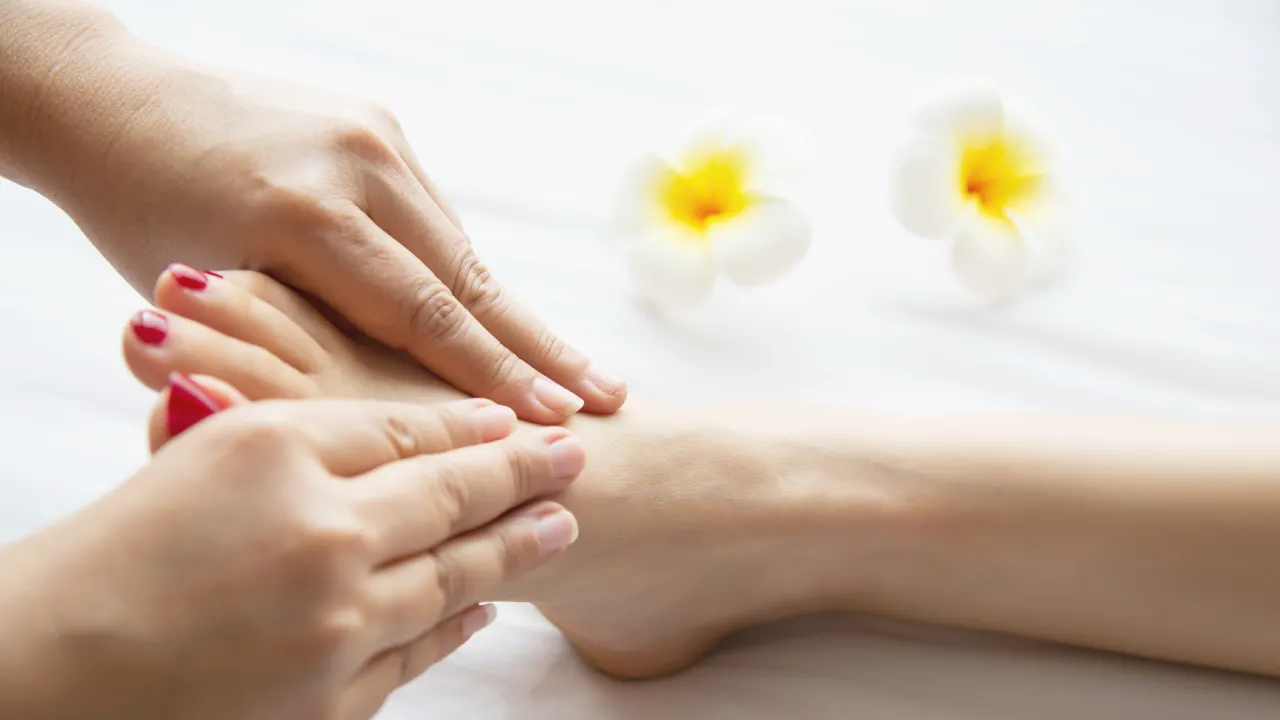
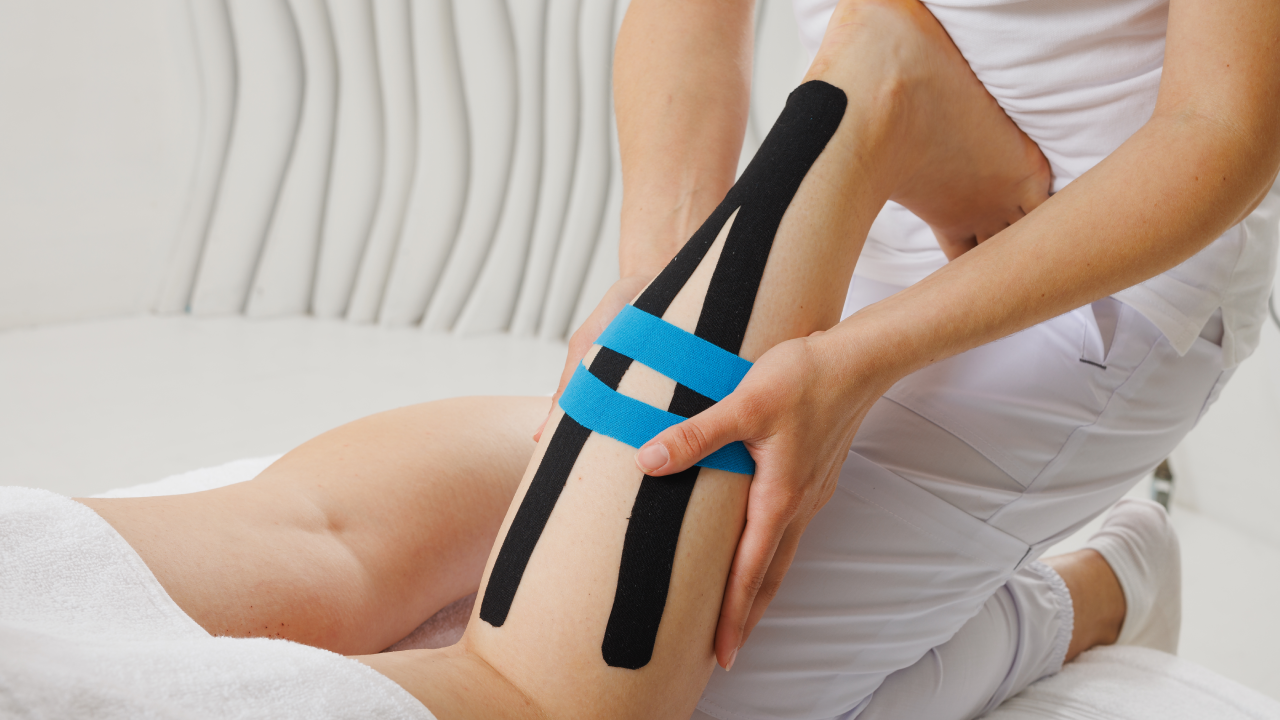
Massage therapy involves the manual manipulation of muscles and other soft tissues using different movements and pressure techniques. A Registered Massage Therapist assesses your concerns and selects appropriate approaches based on your symptoms, comfort, and treatment goals.
Common techniques include:
Each session can focus on particular areas, such as the neck, shoulders, upper back, lower back, or legs. Your therapist may also discuss posture, movement habits, and activities that contribute to recurring tension.
Massage therapy can play a useful role in maintaining physical comfort and supporting musculoskeletal health. Here are five benefits worth considering.
Muscle tension can develop from repetitive movements, poor posture, physical activity, prolonged sitting, and workplace demands. Tight muscles may restrict movement and cause discomfort during ordinary activities.
Massage techniques apply controlled pressure and movement to soft tissues. This may help reduce muscular tightness, encourage relaxation, and improve comfort in affected areas.
People who spend several hours working at computers may notice tension around their neck, shoulders, and upper back. Athletes and physically active individuals may also experience tightness after demanding training sessions.
Regular Massage Therapy in Etobicoke may help address these concerns through sessions that focus on affected muscle groups.
At PAL Physio & Rehab, the therapist considers your symptoms, pressure preferences, and physical condition before beginning treatment. Communicating during the session allows adjustments whenever pressure feels uncomfortable.
Stiffness can make simple movements difficult. Turning your head, reaching overhead, bending forward, or walking for extended periods may become uncomfortable when surrounding muscles feel tight.
Massage therapy works with soft tissues surrounding joints. By addressing muscular tension, treatment may support a more comfortable range of motion.
A person with shoulder stiffness, for instance, may struggle to put on a jacket or reach overhead. Gentle soft tissue techniques may help address surrounding muscle restrictions.
Massage can also complement stretching and physiotherapy exercises. While hands-on treatment addresses soft tissue tension, prescribed exercises help develop strength, coordination, and movement control.
This combination can be useful for individuals recovering from physical strain or dealing with recurring stiffness.
Physical stress and emotional stress often influence each other. Busy schedules, demanding jobs, family responsibilities, and insufficient rest can contribute to muscle tension and general fatigue.
Massage therapy provides dedicated time to relax in a quiet treatment setting. Gentle, rhythmic movements may encourage relaxation and reduce feelings of tension.
Some individuals also notice improved sleep after a massage session. However, responses vary, and massage should not replace professional assessment or treatment for persistent sleep problems.
A regular self-care routine that includes appropriate physical activity, adequate rest, and stress management can support general well-being.
Residents searching for Massage Therapy in Etobicoke may consider massage as one component of their overall wellness routine.
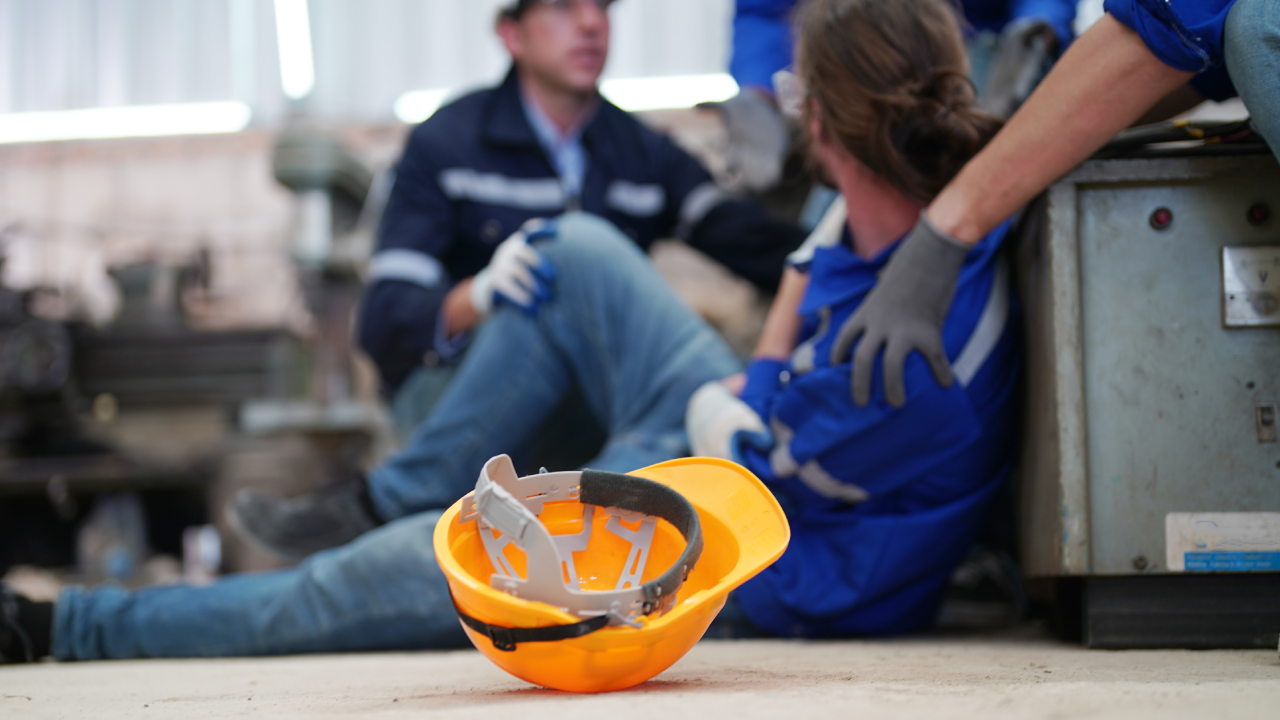
Strains involve injuries to muscles or tendons, while sprains affect ligaments surrounding joints. These injuries can occur during sports, exercise, workplace activities, or everyday accidents.
Symptoms may include tenderness, swelling, stiffness, and difficulty moving the affected area.
Massage may form part of a rehabilitation plan once the injured tissue is suitable for hands-on treatment. The timing and pressure must depend on the injury, its severity, and the stage of recovery.
Deep pressure over a fresh injury or an area with significant swelling may aggravate symptoms. A healthcare professional should assess the injury before massage begins.
At PAL Physio & Rehab, massage sessions can complement rehabilitation when clinically appropriate. Treatment may focus on surrounding muscle tension and comfortable movement, while other rehabilitation measures address strength and function.
You do not need to wait until discomfort becomes severe before paying attention to muscle health.
Everyday activities can gradually create tension in the back, shoulders, hips, and legs. Regular movement breaks, stretching, appropriate exercise, and adequate recovery time can help maintain physical function.
Massage may complement these habits by addressing muscle tightness and encouraging relaxation.
For office workers, massage may focus on areas affected by prolonged sitting. For active individuals, treatment may address muscle groups that experience repeated physical demands.
People with recurring discomfort may also benefit from discussing their posture, work habits, and activity levels with their healthcare provider.
Massage Therapy in Etobicoke can therefore form one part of a broader approach to maintaining mobility and physical comfort.
Massage therapy may be considered for several musculoskeletal concerns. The appropriate technique and treatment timing depend on the individual's symptoms and medical history.
Muscle strains and ligament sprains can cause pain, tenderness, and restricted movement.
After an appropriate assessment, massage may address surrounding muscular tension and support comfortable movement during rehabilitation.
However, massage does not repair torn ligaments or muscles. Acute injuries involving severe swelling, bruising, or difficulty bearing weight require medical assessment.
Sciatica describes symptoms associated with the irritation or compression of the sciatic nerve. These symptoms may include pain that travels from the lower back through the buttocks and down the leg.
Some individuals also report tingling, numbness, or weakness.
Massage may help address associated muscle tension, but it cannot remove nerve compression. A proper assessment is important before beginning treatment.
Massage can sometimes complement physiotherapy, movement exercises, and other clinically appropriate measures.
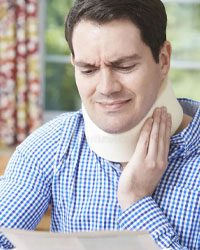
Neck discomfort may develop from prolonged computer use, poor sleeping positions, repetitive activities, or muscular strain.
Massage techniques may help reduce surrounding muscle tightness and support comfortable neck movement.
If neck pain occurs with severe headaches, dizziness, fever, recent trauma, or neurological symptoms, seek medical assessment before scheduling massage.
Shoulder discomfort can affect reaching, lifting, dressing, and sleeping.
Possible contributing factors include muscle strain, repetitive overhead movements, posture, and rotator cuff problems.
Massage may address muscular tightness around the shoulder and upper back. However, persistent shoulder pain requires assessment to identify the underlying cause.
Research into massage therapy has examined its role in managing different types of musculoskeletal pain.
A 2024 systematic review published in JAMA Network Open examined 129 systematic reviews concerning massage for painful adult health conditions. The researchers found that most conclusions had low or very low certainty, although some reviews reported moderate-certainty findings of potential benefit.
The US National Centre for Complementary and Integrative Health also reports that massage may provide short-term benefits for certain neck, shoulder, and lower back complaints.
These findings suggest that massage may help some individuals, but results vary according to the condition, treatment approach, and individual circumstances.
Massage should not be presented as a cure or a replacement for medical care. A healthcare professional can help determine whether it is appropriate alongside other treatments.
Jennevy is a committed Registered Massage Therapist with extensive experience in therapeutic and rehabilitative treatments.
Her clinical focus includes easing muscle tension, supporting mobility, and assisting recovery following injuries or surgery. She considers each client's physical concerns, treatment history, and comfort during sessions.
Jennevy works with individuals experiencing muscular tightness, movement restrictions, and rehabilitation-related concerns. Her compassionate manner helps clients communicate their symptoms and discuss their treatment goals.
Her approach places importance on communication, appropriate pressure, and careful attention to individual responses throughout each appointment.
Whether you are dealing with neck stiffness, shoulder discomfort, or muscular tension following physical activity, Jennevy can discuss suitable massage techniques following an initial assessment.
Knowing what happens during an appointment can make your first visit less stressful.
Before your session, your therapist will discuss your health history, symptoms, previous injuries, and treatment goals.
You should mention:
This discussion helps determine whether massage is appropriate and which techniques may be suitable.
After a session, you may notice relaxation, reduced muscle tightness, or improved comfort when moving.
Some people experience temporary tenderness, particularly after deeper pressure techniques. Mild soreness can occur, but significant or worsening symptoms should be discussed with your healthcare provider.
Your therapist may suggest drinking water, taking a gentle walk, avoiding strenuous activity temporarily, or following an appropriate stretching routine.
Recovery involves more than attending massage appointments. Daily habits can influence how your body responds between sessions.
Consider these practical steps:
Consistency with appropriate rehabilitation activities can support progress over time.
Many extended health insurance plans in Canada include coverage for Registered Massage Therapist services. However, eligibility, annual limits, reimbursement rates, and referral requirements differ between providers.
Before booking, contact your insurance company and ask:
PAL Physio & Rehab can help you understand the documentation provided for your appointment. Contact the clinic directly to discuss payment arrangements and insurance-related questions.
Client feedback can provide insight into a clinic's service, communication, and treatment environment.
PAL Physio & Rehab has received positive Google feedback from clients who have attended massage appointments over extended periods.
Uzma Baig, a Local Guide who has visited the clinic for more than three years, praised the massage therapist's skills and noted the clean clinic environment.
Elma Persaud also shared positive feedback about her two-year history of massage appointments with Jennevy. She highlighted Jennevy's professionalism and care, along with the helpful conduct of the administrative team.
These comments reflect individual client opinions. Every person's symptoms, treatment response, and expectations are different.
You can read their reviews through their public Google profiles:
Choosing a clinic involves considering its location, practitioner qualifications, communication, and available services.
PAL Physio & Rehab provides massage services for individuals seeking support with muscle tension, stiffness, and rehabilitation-related concerns.
Located on Finch Avenue West, the clinic is accessible to people living and working in Etobicoke and the surrounding neighbourhood.
Its Registered Massage Therapist, Jennevy, brings experience in therapeutic and rehabilitative care. Clients can discuss their concerns, ask questions, and communicate their preferences throughout treatment.
For those researching Massage Therapy in Etobicoke, contacting the clinic directly is a practical way to learn about appointment availability, session details, and fees.
1. How often should I book a massage appointment?
Appointment frequency depends on your symptoms, health history, treatment goals, and response to previous sessions. Some individuals schedule occasional appointments, while others follow a short treatment plan recommended by their healthcare provider.
2. Can massage therapy help with neck and shoulder pain?
Massage may help reduce muscular tension around the neck and shoulders. However, persistent symptoms need assessment to identify possible underlying causes.
3. Is massage suitable after an injury?
It depends on the injury and recovery stage. Massage may complement rehabilitation once a healthcare professional determines that hands-on treatment is appropriate.
4. Can massage help with sciatica?
Massage may address associated muscle tightness, but it does not correct nerve compression. People with sciatica should seek an assessment to determine the source of their symptoms.
5. What should I wear to my appointment?
Wear comfortable clothing that is simple to change out of. Your therapist will explain draping procedures and ensure that only the necessary treatment area remains exposed.
6. Does insurance cover massage therapy?
Some Canadian extended health plans cover Registered Massage Therapist appointments. Check your individual policy for coverage limits, referral requirements, and reimbursement conditions.
7. Where is PAL Physio & Rehab located?
PAL Physio & Rehab is located at Unit E-103, 6100, Finch Avenue W, Etobicoke, ON, Canada.
8. How can I book an appointment?
Call PAL Physio & Rehab at (416) 748-3535 to ask about appointment availability, fees, and booking arrangements.
Conclusion: Take the Next Step Towards Physical Comfort
Muscle tension, stiffness, and everyday physical demands can affect how you move and carry out daily activities. Massage therapy may help address muscular tightness, support mobility, encourage relaxation, and complement rehabilitation for selected musculoskeletal concerns.
From strains and sprains to neck discomfort, shoulder pain, and muscle tension associated with sciatica, an appropriate massage session can form part of a wider healthcare plan.
If you are considering Massage Therapy in Etobicoke, PAL Physio & Rehab welcomes inquiries about its therapeutic massage services with Registered Massage Therapist Jennevy.
Contact PAL Physio & Rehab to discuss your concerns and arrange an appointment.
Business: PAL Physio & Rehab
Address: Unit E-103, 6100, Finch Avenue W, Etobicoke, ON, Canada
Phone: (416) 748-3535
Call today to inquire about available appointments and take a practical step towards improved muscle comfort and mobility.